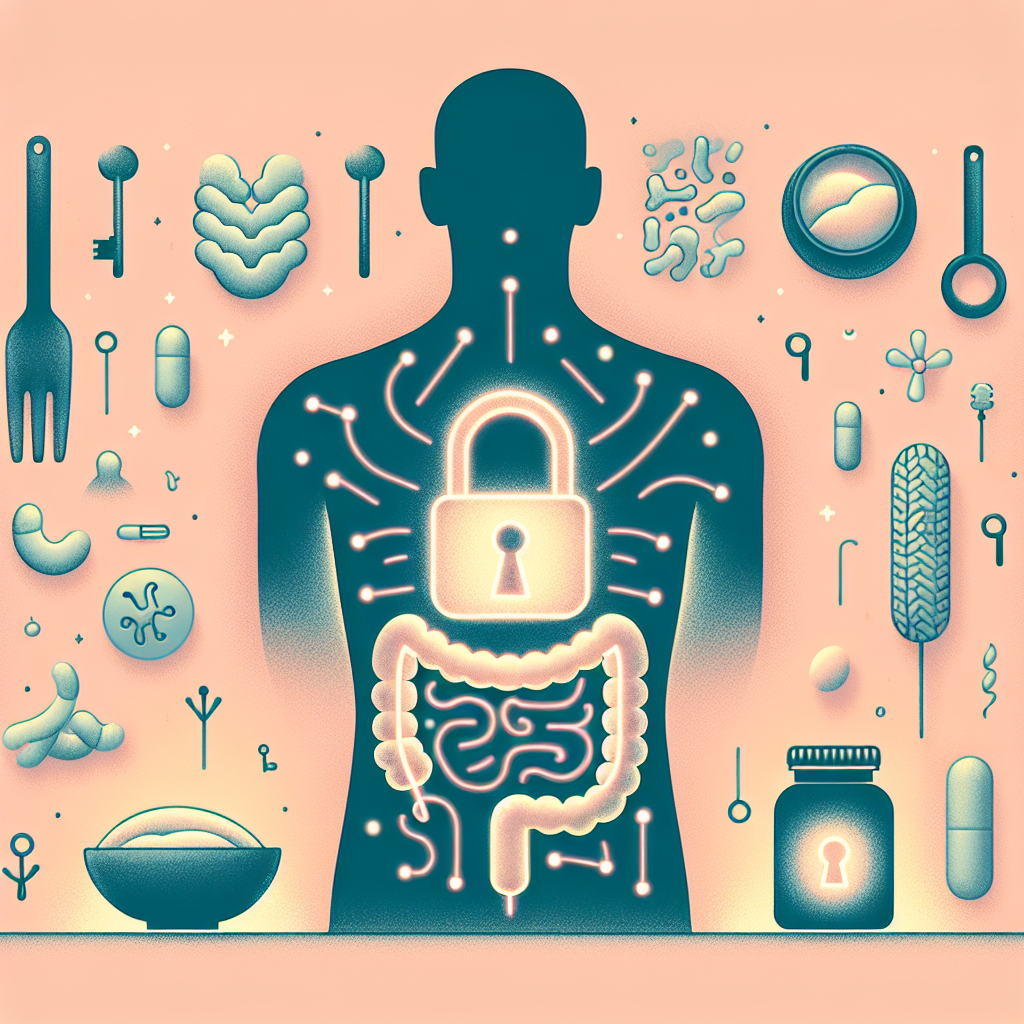
### Unlocking the Potential of Probiotics: A Key to Gut Health and Immunity
In the course of our modern lives, the topic of gut health has never been so widely discussed. This coincides with scientific evidence pointing to the essential role gut health plays in maintaining overall wellbeing. Today, we explore the potential of probiotics – microorganisms renowned for their contribution to gut health and their assumed broader implications on the immune system.
Also known as beneficial bacteria, probiotics can be consumed through fermented foods or supplements. They help balance the gut flora, inhibiting the growth of harmful bacteria, promoting digestion, and delivering significant amounts of vitamins and other nutrients.
#### The Crucial Impact on Gut Health
The human gut is a complex ecosystem hosting approximately 100 trillion microorganisms. The balance of these microorganisms, or gut microbiota, can impact health and wellbeing significantly.
Studies show that an imbalanced gut microbiota, a condition known as dysbiosis, can be a precursor to multiple health complications, including obesity, diabetes, and cardiovascular diseases. By balancing the composition of our gut microbiota, probiotics have shown a positive impact on such health conditions.
#### Probiotics and Immunity
Emerging research suggests an intriguing link between our gut health and immune system. Nearly 70% of our immune cells reside in the gut. Therefore, maintaining a healthy gut microbiota through probiotics can play a crucial role in strengthening the immune response.
One study revealed that probiotics enhance the production of antibodies and natural killer cells, fortifying the body against infectious invaders. Other researches also suggest that some probiotics can reduce the incidence and severity of respiratory infections.
#### Food versus Supplements
While probiotic supplements have grown in popularity, it’s important to consider their natural counterparts – fermented foods. Foods such as yogurt, kefir, sauerkraut, and kimchi deliver a broad spectrum of beneficial bacteria, which provide an array of health benefits beyond just gut health.
However, the diversity and volume of probiotics can vary in these foods. In contrast, supplements tend to offer specific strains of bacteria in concentrated doses, which can be beneficial for targeting particular health concerns. It’s best to consult with a healthcare professional on whether food or supplements are suitable for any personal health goals.
#### Considerations and Side Effects
Generally, probiotics are safe for the majority of people. However, in some cases, they may cause mild side effects like bloating or upset stomach. Therefore, it’s vital to introduce probiotics gradually into your diet. If you’re immune-compromised or critically ill, it’s advisable to seek medical consultation before adding any new supplements.
#### Conclusion
The role of probiotics in promoting gut health and immunity is undeniably exciting. As functional foods or supplements, they can be incorporated into our diets, potentially offering profound impacts on our health.
While research continues to unlock their full potential, it’s crucial to remember that overall lifestyle factors—such as a balanced diet, regular exercise, and adequate sleep—shouldn’t be overlooked in our pursuit of health and wellbeing.
It’s a promising era for health science and probiotics, offering us refreshing perspectives on gut health and its implications on our broader immunity. The door to optimizing health through improved gut microbiota could be as simple as incorporating some probiotics into our meals!
*Disclaimer: This content is not intended to be a substitute for professional medical advice. Always seek the advice of a healthcare provider when making health-related decisions.*