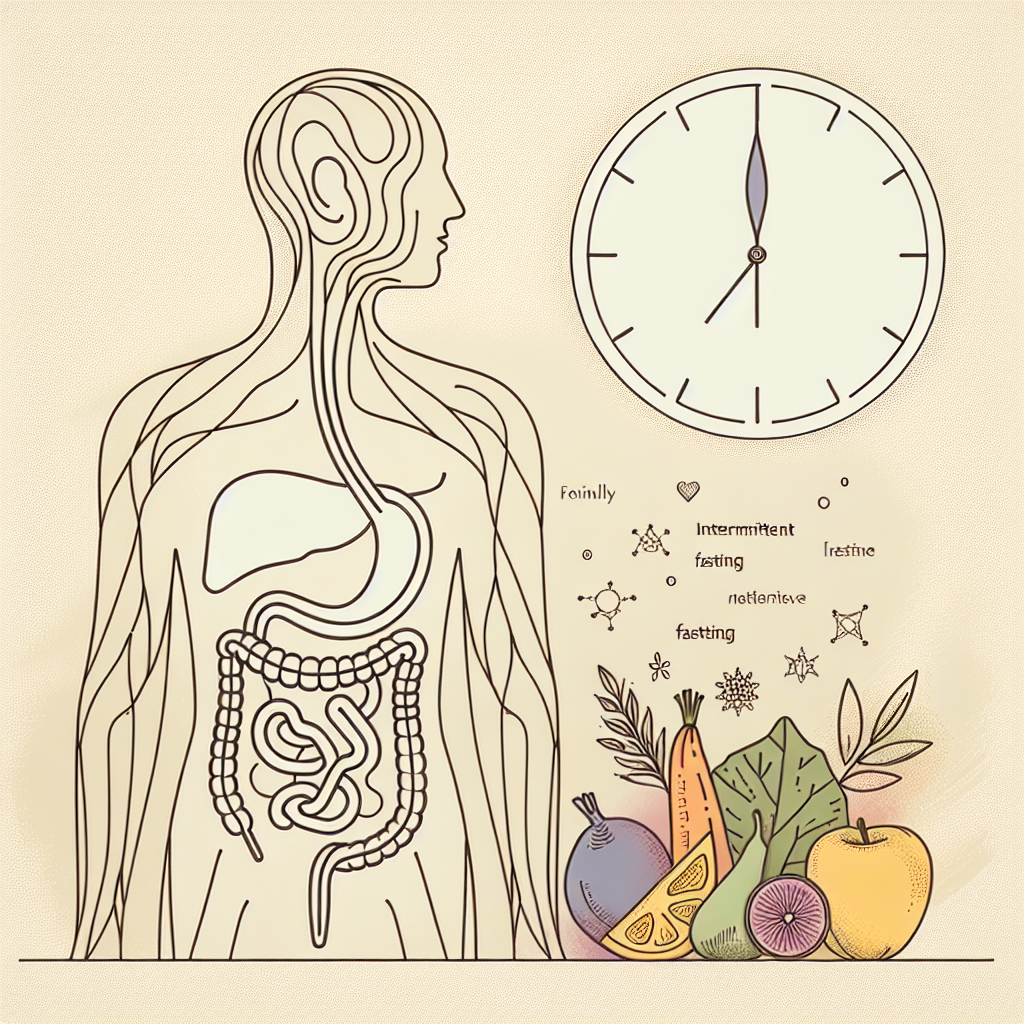
### The Science Behind Intermittent Fasting: Unpacking Its Health Benefits
In recent years, the concept of intermittent fasting has emerged as a popular trend in the health and wellness community. At the crossroads between nutrition and chronobiology, intermittent fasting is redefining our dietary patterns while earning kudos for its varied health benefits. This post aims to delve into the scientific paradigm of this practice and unravel its positive impacts on our health.
**What Is Intermittent Fasting?**
Intermittent fasting is not a diet in the conventional sense. It’s more accurately described as an eating pattern where individuals alternate between periods of eating and fasting. It doesn’t dictate what foods to eat but rather, when to eat.
The common fasting methods include the 16/8 method (fast for 16 hours, eat during an 8-hour window), the 5:2 method (eat normally for five days, restrict calories to 500-600 on two days), and the Eat-Stop-Eat method (24-hour fasts one or two times a week).
**The Science of Intermittent Fasting:**
Research suggests that intermittent fasting can be beneficial for weight loss and control, but the benefits stretch beyond that. When we eat, our bodies spend hours processing the food, absorbing nutrients, and producing insulin to store glucose for energy. During fasting, this process is reversed: insulin levels drop, triggering the body to burn the stored glucose. When glucose reserves run out, the body taps into fat cells for fuel, leading to weight loss.
Moreover, studies have linked intermittent fasting to a lower risk of chronic diseases including diabetes, heart diseases, and cancer. It appears to impact cell and molecular functions positively, improving resilience against age-related diseases and boosting brain health.
**Benefits Of Intermittent Fasting:**
_Intermittent Fasting and Weight Loss_: When your insulin level goes down and you’re not eating, your body can use your stored fat for energy. Increase in growth hormone during fasting also contributes to fat burn while preserving muscle mass.
_Cell repair and Gene regulation_: Fasting triggers a cellular “waste removal” process known as autophagy, where cells digest and remove old and dysfunctional proteins that build up inside cells. It also induces changes in gene expression associated with longevity and protection against diseases.
_Heart Health_: Intermittent fasting has been shown to improve multiple heart disease risk factors like blood pressure, cholesterol levels, blood triglycerides, and blood sugar levels.
_Brain Health_: Intermittent fasting boosts the hormone *BDNF (Brain-Derived Neurotrophic Factor)*, a lack of which has been implicated in depression and various other brain-related conditions.
_Simple Healthy Lifestyle_: It’s easy to follow than to plan and prepare three meals a day. Some people find it easier to focus and be productive during the fasted state.
Although the intermittent fasting concept has built quite some steam in the health community, it’s vital to remember that eating balanced and nutritious meals is integral for overall health. The benefit is not from the decreased calorie count, but from the lengthened fasting period.
**Conclusion:**
Intermittent fasting is a fascinating and promising approach to a healthier life, yielding multiple health benefits supported by science. As with any drastic change in diet, it’s recommended to consult with a healthcare professional before starting intermittent fasting, especially for people with existing health conditions or who are pregnant. Remember, adopting any healthy practice should go hand in hand with an overall active lifestyle, balanced diet and proper rest.
To better health and science!