### The Power of Probiotics: Transforming Digestive Health—for Good
—
As scientific studies continue to delve into the microscopic world within us, the role of the gut in overall health is becoming increasingly evident. At the center of this exploration lie probiotics—powerful microorganisms that may prove to be the game-changer in the realm of health and wellness.
In this post, we will demystify probiotics and shed light on how these friendly bacteria can help revamp your digestive health and push overall well-being to an all-time high.
## What are Probiotics?
First things first: probiotics are live bacteria and yeasts beneficial for your health, especially for your digestive system. Often referred to as ‘good’ or ‘friendly’ bacteria, they aid digestion, protect against harmful microorganisms, and contribute to nutrient absorption.
## The Connection between Gut Health and Probiotics
The human gut is home to trillions of bacteria—collectively known as the gut microbiota—that aid digestion and nutrient absorption. However, factors like stress, lack of sleep, poor diet, and medications can disrupt this delicate balance, leading to digestive issues.
Enter probiotics. Probiotics help restore the balance in your gut microbiota, lowering the number of ‘bad’ bacteria and increasing the ‘good’. By doing this, they contribute to a healthier gut and improved digestion.
## Benefits of Probiotics for Digestive Health
1. **Relief from IBS**: Irritable Bowel Syndrome (IBS) is characterized by chronic inflammation in the gut. Several studies have found that specific strains of probiotics can reduce inflammation and alleviate symptoms of IBS, such as bloating, cramps, and abdominal pain.
2. **Controlled Diarrhea**: Antibiotic-associated diarrhea is a common side effect of antibiotic use. Certain probiotics are known to dramatically reduce this side effect.
3. **Reduced Symptoms of Inflammatory Bowel Diseases (IBD)**: Although IBD and IBS sound similar, they are fundamentally different. Inflammatory Bowel Diseases, including Crohn’s disease and ulcerative colitis, cause chronic inflammation in the gut. The regular intake of certain strains of probiotics could help minimize symptoms of IBD.
## Probiotics: The Next Steps
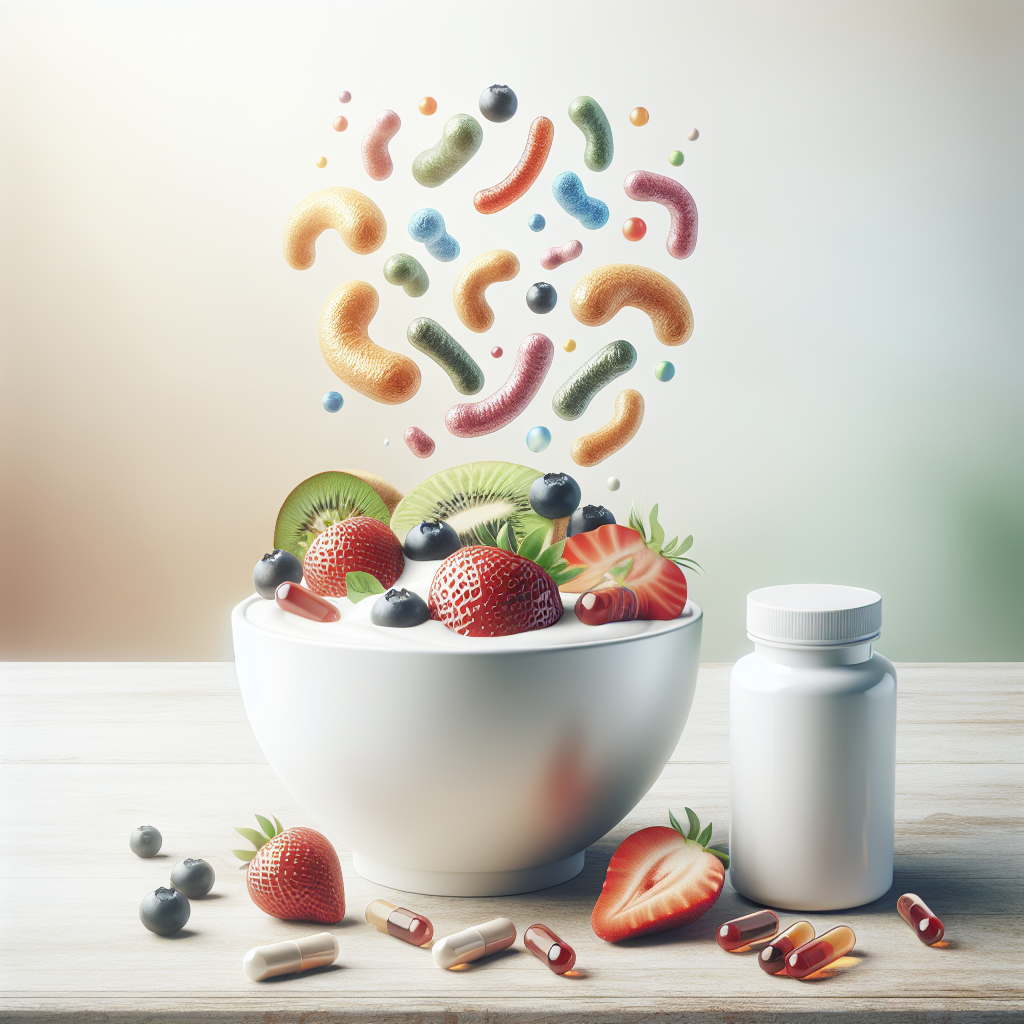
There are many sources of probiotics, including fermented foods (like yogurt, sauerkraut, kimchi), beverages (like kombucha), and supplements. If you decide to go down the supplement route, make sure to choose a reputable product that has well-researched strains for your specific need.
Remember, while probiotics are a powerhouse for digestive health, they are not a cure-all. An overall healthy lifestyle – including a balanced diet, regular exercise, and mental wellness – is also crucial for optimal gut health.
## Parting Thoughts
Whether you suffer from a digestive Disorder or not, making probiotics a part of your regular health regimen could induce substantial positive changes to your digestive health and overall well-being. Before starting any probiotics regimen, it’s essential to consult your healthcare provider.
*Disclaimer: The content in this article is for information only, does not constitute medical advice, and is not intended as a substitute for professional medical advice, diagnosis, and treatment.*
—