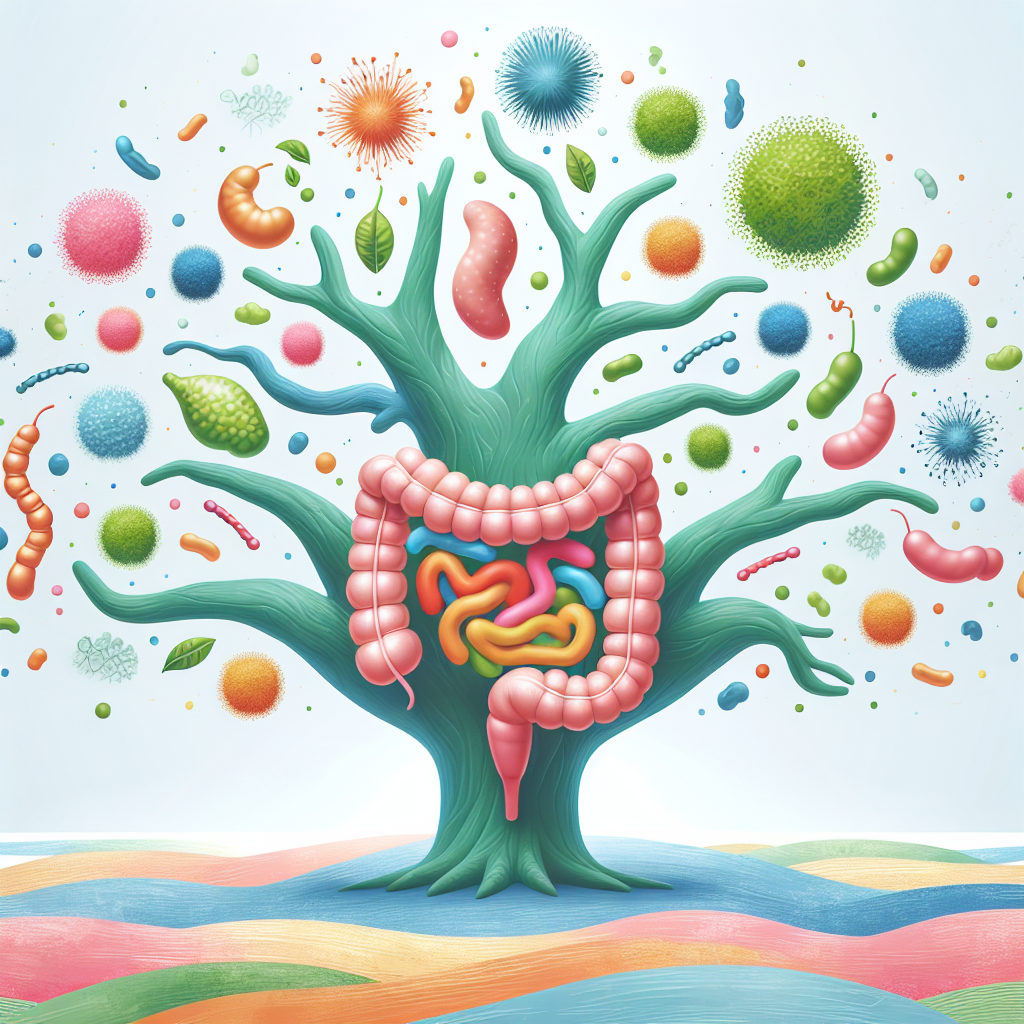
### Reaping the Benefits of Probiotics and Prebiotics for a Healthy Gut
From maintaining your immune system to absorbing essential nutrients, the gut plays a significant role in overall health. Current health and wellness trends are focusing significantly on gut health, and rightfully so. This is primarily due to the growing awareness of its crucial role as the body’s “second brain.”
Today, we’ll dissect the importance of two trending terms: Probiotics and Prebiotics, what they are, their role in maintaining a healthy gut, and how you can incorporate them into your diet.
#### What are Probiotics and Prebiotics?
Probiotics are live bacteria and yeasts that are beneficial for your health, particularly your digestive system. They are often dubbed “good” or “friendly” bacteria because they help keep your gut healthy. They exist naturally in fermented foods and can also be taken as dietary supplements.
Prebiotics, on the other hand, are a type of dietary fiber that the human body cannot digest. They serve as food for probiotics and help promote their growth and activity. Unlike probiotics, prebiotics are not destroyed when cooked, so they are easy to include in everyday meals.
#### The Role of Probiotics and Prebiotics in Gut Health
Together, probiotics and prebiotics play an essential part in maintaining a healthy gut. They contribute to maintaining a balanced gut microbiota, the community of microorganisms living in the intestine.
The probiotics have several essential roles like:
– **Digestion**: They aid in breaking down complex food particles into absorbable nutrients.
– **Protection**: They combat harmful bacteria and toxins, reducing their numbers, and preventing infection.
The prebiotics, as mentioned earlier, act as fuel for the probiotics and aid healthy bacteria growth in the gut.
#### Integrating Probiotics and Prebiotics into Your Diet
We can find probiotics and prebiotics in a variety of foods:
**Probiotic Foods**: These include fermented foods like natural yogurt, kefir, sauerkraut, tempeh, pickles, and certain cheeses like gouda, mozzarella, and cottage cheese.
**Prebiotic Foods**: Foods high in prebiotics include whole grains, bananas, onions, garlic, leeks, asparagus, artichokes, and apples.
**Synbiotic Foods**: Synbiotic foods contain both probiotics and prebiotics. Examples include cheese and certain types of high-fiber bread.
While incorporating these foods into your diet is beneficial, remember that an overall balanced diet contributes to good gut health. Overconsumption of any single type of food may lead to an imbalanced gut microbiome.
#### A Word of Caution
Although probiotics and prebiotics can contribute to a healthy gut, they are not a cure-all. Patients with severe illnesses or immune system problems should be cautious about taking probiotics and always consult a healthcare provider before starting any new supplement regimen.
It’s also worth noting that the benefits of probiotics and prebiotics may vary from person to person, and more research is needed in this area.
#### In Conclusion
With all the buzz around gut health, it’s not surprising that probiotics and prebiotics have gained popularity. While they certainly play a significant role in maintaining a balanced gut environment, remember that a wholesome, varied diet should be at the heart of your health regime.
The next time you’re contemplating a gut-friendly diet, do consider how probiotics and prebiotics can fit into your plan!
*Note: This blog post is meant to provide general information and does not substitute professional healthcare advice. Please consult your healthcare provider or a dietitian for personalized advice.*