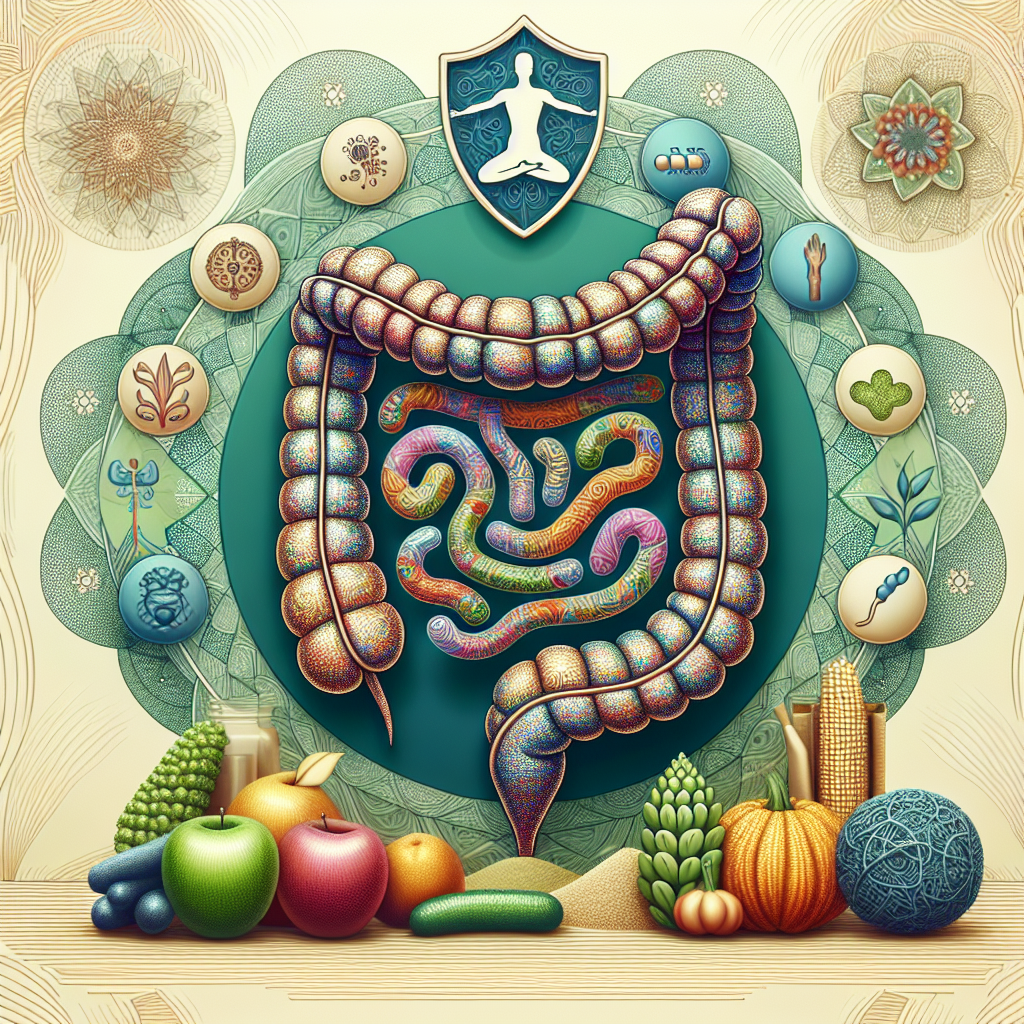
### Boosting Immune System Health: The Role of Gut Microbiota
The immune system is a complex network of cells, tissues, and organs that defend the body against various pathogens. To understand its power, we must recognize the role of the gut microbiota in immune system health. Recent research studies suggest that our digestive tracts are hives of activity, teeming with trillions of microorganisms, collectively known as ‘the gut microbiota’.
This blog post delves into how modulation of the gut microbiota, through diet and lifestyle changes, can enhance our immune response and overall health.
**Your Gut: A Microbial Wonderland**
Consider your gut as a diverse ecosystem—home to about 100 trillion bacteria and other microbes often referred to as the ‘microbiome’. These microscopic creatures play a crucial role in preventing disease and maintaining health.
The gut microbiota plays several pivotal roles:
– It aids in food digestion by breaking down complex sugars and carbohydrates.
– It synthesizes essential vitamins, primarily B and K.
– It assists in regulating our metabolism.
– It supports the development of a well-functioning immune system: an essential, but perhaps less-known function.
**The Gut-Immune System Connection**
The immune system and the gut microbiota interact in the ‘gut-immune axis.’ The microbiota educates the immune system to differentiate between beneficial bacteria and harmful pathogens. The immune system, in return, shapes the composition of the gut microbiota.
In fact, the immune system and the gut microbiota communicate so intensively that around 70% of immune cells reside in the gut. This cooperation ensures the immune system can respond promptly and effectively to rogue invaders.
**Gut Microbiota Imbalance and Immune Health**
When the gut microbiota is balanced, it contributes to good health. But when displaced, also known as ‘dysbiosis,’ a loophole allows harmful pathogens to thrive. Dysbiosis can lead to chronic immune dysregulation, inflammatory bowel disease (IBD), and allergies.
Additionally, the imbalance can cause systemic inflammation, extending beyond the gut, opening doors to health conditions such as obesity, diabetes, and cardiovascular diseases.
**Boosting Your Immune System with Gut-Friendly Practices**
Fortunately, we can modify our gut microbiota with specific practices focusing on reinforcing beneficial microbes and reducing harmful ones.
**1. Dietary modifications:** A healthy diet is the most beneficial way to maintain gut microbiome health. Incorporate more fiber-rich food like fruits, vegetables, whole grains, and legumes; these promote diversity. Also consider fermented foods which contain probiotics to enhance gut flora.
**2. Exercise:** Regular physical activity encourages a diverse microbiota, improves immune function and lessens inflammation.
**3. Quality Sleep:** Sleep deprivation can lead to dysbiosis. Aim for seven to nine hours of quality sleep per night to keep the gut microbiota balanced.
**4. Minimal Antibiotics:** Antibiotics can disrupt the gut microbiota per their function to destroy bacteria. Use them only when necessary and under medical supervision.
**5. Stress Management:** Chronic stress can cause an imbalance in the gut microbiota. Practices like deep breathing, yoga, or meditation can help maintain equilibrium.
**Healing the Gut, Strengthening the Immune System**
Our battlefront for health begins in the gut. While much research is still needed to fully understand the gut microbiota, the existing links to immune health are promising. Enriching the gut microbiota through healthful habits may be one of the most effective ways to enhance our immune response and overall well-being.
So, take a step towards health, by simple modifications that start at your plate, it’s a leading-edge health strategy par excellence.