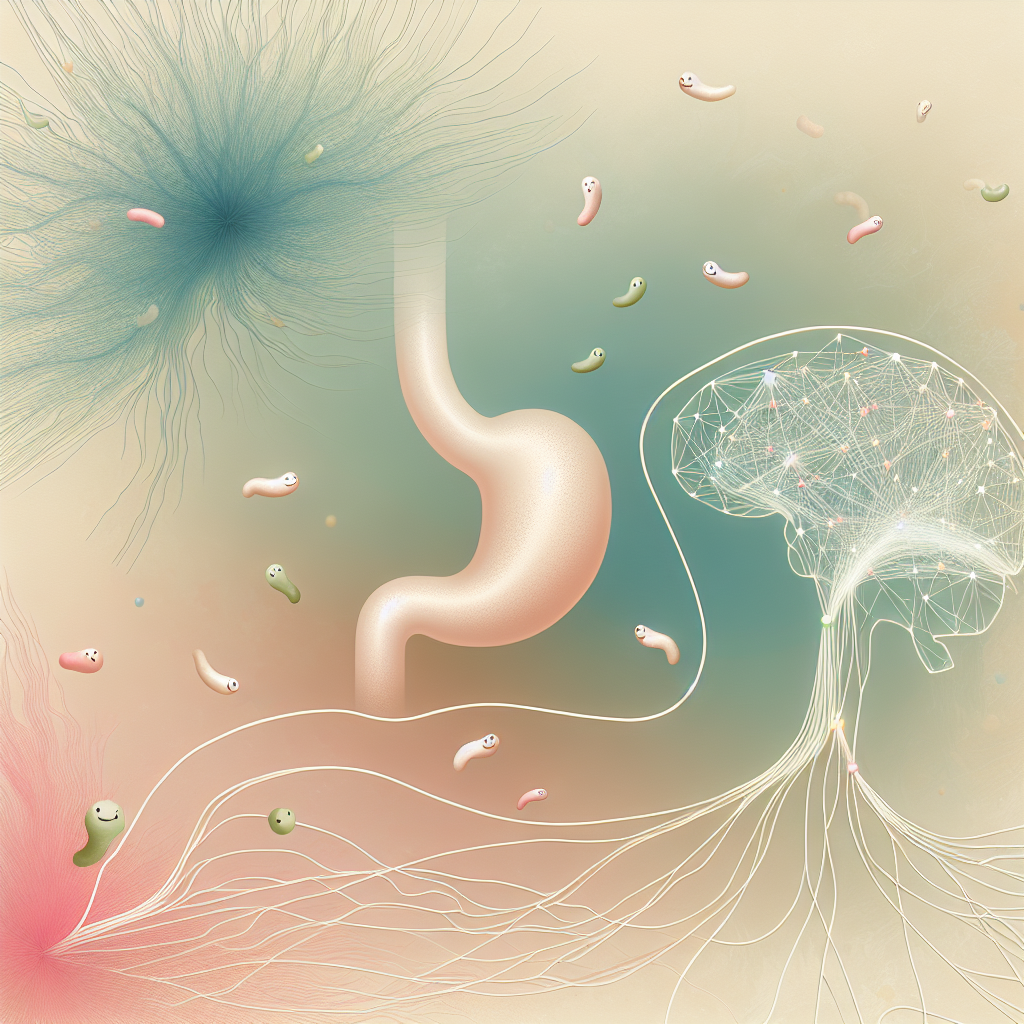
### Understanding the Role of Gut Microbiota in Mental Health: New Directions in Psychotherapy
More than ever, the line that separates our mental health from our physical well-being is disintegrating. Recent advancements in the world of health science bring us closer to recognizing the intimate relationship between the gut and the brain – an insight that could potentially revolutionize our approach to mental health.
Our gut is a bustling world, teeming with trillions of microorganisms that include bacteria, fungi, and even viruses. This complex ecosystem referred to as our gut microbiota, plays a critical role in our physical health – from influencing our immune function to contributing to our metabolism. However, a growing body of research now suggests that these microscopic inhabitants of our gut might also be playing a crucial part in regulating our mental health.
**The Gut-Brain Axis**
At the core of this interaction lies an intricate communication network known as the gut-brain axis – a bidirectional highway that allows your gut and brain to send signals to each other. The gut and the brain are in constant chatter, exchanging information about your body’s state via a cocktail of hormones, immune cells, metabolic products, and nerves, including the vagus nerve – the longest cranial nerve connecting your gut and brain.
**Gut Microbiota and Mental Health**
Studies suggest that gut microbiota may influence brain function, affecting our mood, behavior, and mental health. Several mental health conditions, including depression, anxiety, autism, schizophrenia, and neurodegenerative diseases, are associated with alterations in gut microbiota.
It is believed that our gut microbes regulate the production of neurotransmitters – the brain’s chemical messengers. For instance, gut bacteria produce almost 95% of your body’s supply of serotonin – the ‘feel-good’ hormone, involved in managing mood and anxiety.
**Impact of Diet on Gut Microbiota and Mental Health**
Our diet plays a tremendous role in shaping our gut microbiota, and hence, could potentially influence mental health. Diets high in sugar and fat can lead to a state of dysbiosis – a condition characterized by an imbalance in gut microbiota, which is linked to anxiety, depression, and other mental health disorders. On the other hand, a fiber-rich diet fosters a diverse gut microbiota and has been associated with better mental health outcomes.
A review published in ‘Nutritional Neuroscience,’ highlights a potential role for dietary interventions in modifying gut microbiota and advocating for their use in managing mental health disorders.
**Probiotics and Mental Health**
Probiotics, often referred to as ‘good bacteria,’ have been generating a lot of buzz in the world of mental health. These beneficial microbes have been studied for their potential in alleviating symptoms of mental health disorders.
A systematic review on the effects of probiotics on depressive symptoms published in the ‘Annals of General Psychiatry,’ provides preliminary support for the effectiveness of probiotics in reducing symptoms of depression.
However, it is important to note that while the potential role of probiotics in mental health is promising, more rigorous studies are required before making any bold conclusions.
As we deepen our understanding of the connection between our gut and brain, one thing is clear: caring for our mental health extends far beyond the confines of our mind. These insights could potentially pave the way for a new era of psychotherapy where dietary modifications, probiotics, and prebiotics could be used as adjuncts to conventional mental health treatments.
Remember, never start or stop any treatment without a consultation with a healthcare provider. It’s always best to discuss any dietary changes or additions of probiotics or other supplements with your doctor or a registered dietitian, especially if you’re currently on medication for a mental health condition.
As research unfolds, we continue to gain more insight into the fascinating world within our bodies—reinforcing the adage that mental health is indeed a state of complete physical, mental, and social well-being.