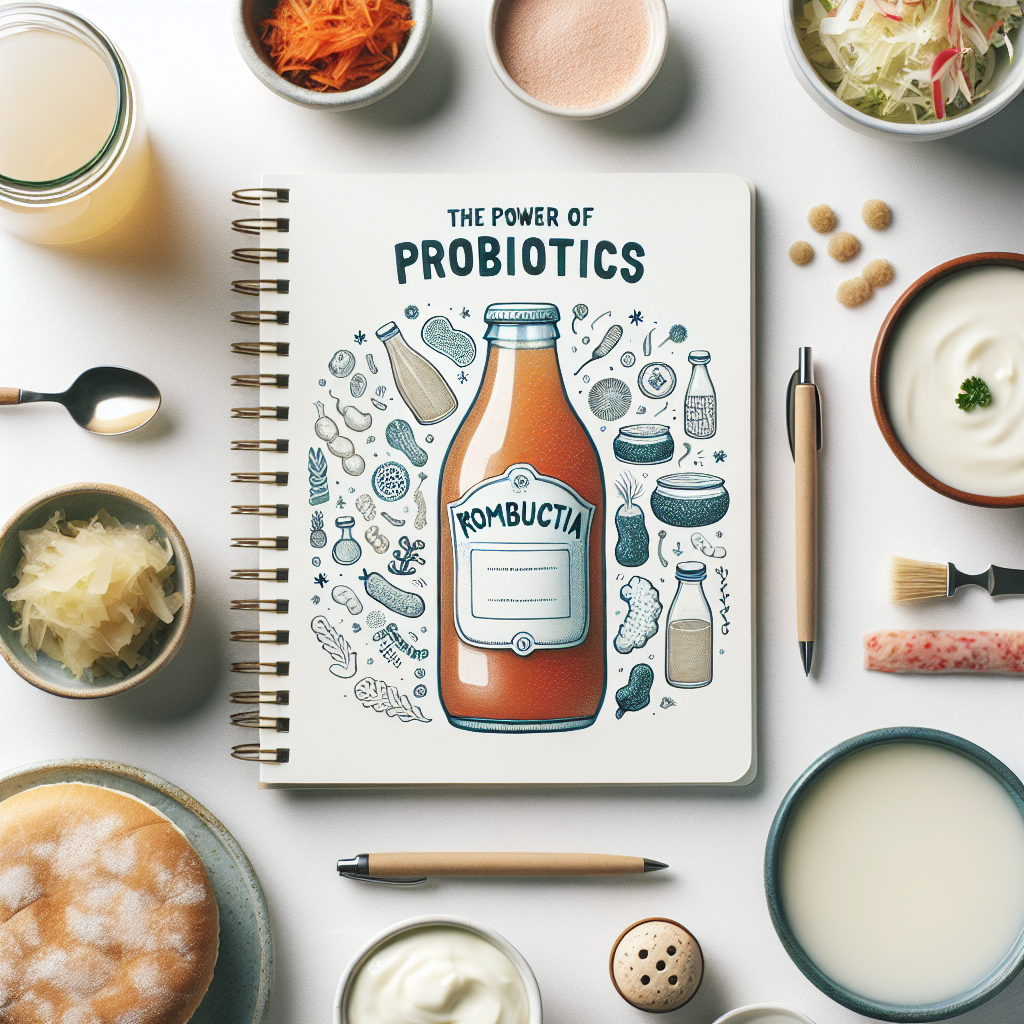
### The Power of Probiotics: Boosting Your Gut Health
A growing body of research has consistently reiterated the immense influence our gut health has on our overall wellness. Of particular interest in recent years has been the role of probiotics, those friendly bacteria that call our gut home. But, what exactly are probiotics, and how do they contribute to our health? Below, we will delve into the world of these microscopic organisms, shedding light on their importance and the ways to incorporate them into our diets.
## What are Probiotics?
Probiotics are live bacteria and yeasts that are beneficial to our health, particularly our digestive system. Although the thought of ingesting live bacteria may seem unnerving, it is essential to remember that our bodies naturally host large numbers of these organisms. They help to balance our gut flora, counteracting the harmful effects of bad bacteria that could otherwise cause health complications.
## The Health Benefits of Probiotics
There are several ways that probiotics improve our health. Here are a few:
**Improved Digestive Health:** Probiotics play a crucial role in restoring our gut flora, especially after it has been disrupted by illness or antibiotics. They help to alleviate digestive disorders such as irritable bowel syndrome, inflammatory bowel disease, and diarrhea caused by antibiotics or infections.
**Boosted Immune System:** Probiotics can enhance our immune system by inhibiting the growth of harmful gut bacteria. Additionally, some probiotics can promote the production of natural antibodies in the body.
**Heart Health:** Certain probiotics can help lower bad LDL cholesterol and blood pressure, contributing to improved heart health.
**Mental Health:** Researchers are uncovering the intimate relationship between the gut and the brain, known as the gut-brain axis. Some studies have suggested that probiotics can improve mental health disorders, although more research is needed in this area.
## Incorporating Probiotics into Your Diet
Now the important question: how can one incorporate probiotics into their diet? Here are a few suggestions:
**Yogurt:** This is one of the most popular probiotic-rich foods. Look for yogurt that specifies it contains live and active cultures to ensure you’re getting the probiotics.
**Kefir:** This fermented milk product is like a drinkable yogurt and contains diverse types of probiotics.
**Sauerkraut:** Made from fermented cabbage, sauerkraut not only offers probiotics but also a healthy dose of vitamins and fiber.
**Kimchi:** This spicy, fermented Korean dish made from cabbage is rich in probiotics and vitamins A and C.
**Probiotic Supplements:** If dietary sources are not feasible, probiotic supplements are another route to consider. Consult with a healthcare provider before starting any supplement regimen.
## Conclusion
Fostering a healthy gut bacteria balance through the intake of probiotics can result in a raft of health benefits, from improved digestion and immune function to better heart health and even mental well-being. Before making significant changes to your diet or supplement routine, engage with a healthcare provider to make sure it aligns with your overall health plan.
Remember, healthy gut, healthy you!
_References available upon request._